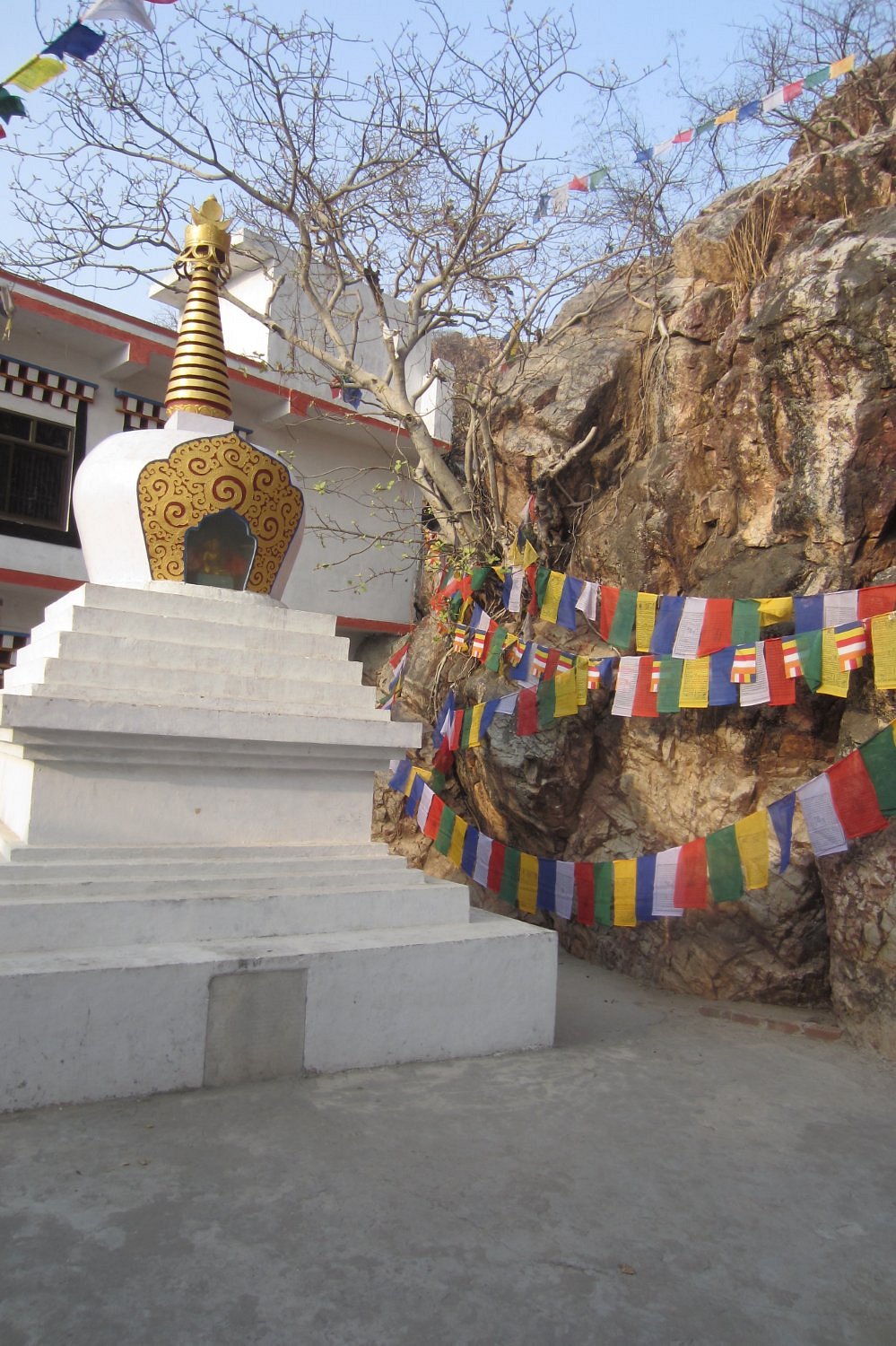
Dungeshwari
Caves where Buddha meditated for six years before arriving in Bodhgaya. These ancient caves hold spiritual significance and offer scenic views.

Caves where Buddha meditated for six years before arriving in Bodhgaya. These ancient caves hold spiritual significance and offer scenic views.
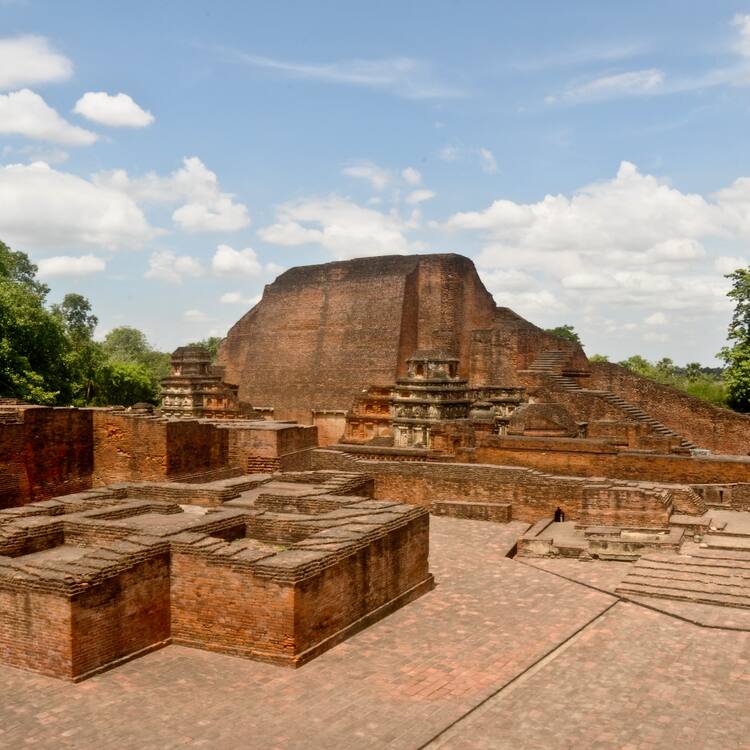
An ancient center of learning, Nalanda University (55 km from Bodhgaya) was a global hub for Buddhist studies from the 5th to 12th centuries. Its excavated ruins, including monasteries and stupas, showcase intricate architecture and historical significance.
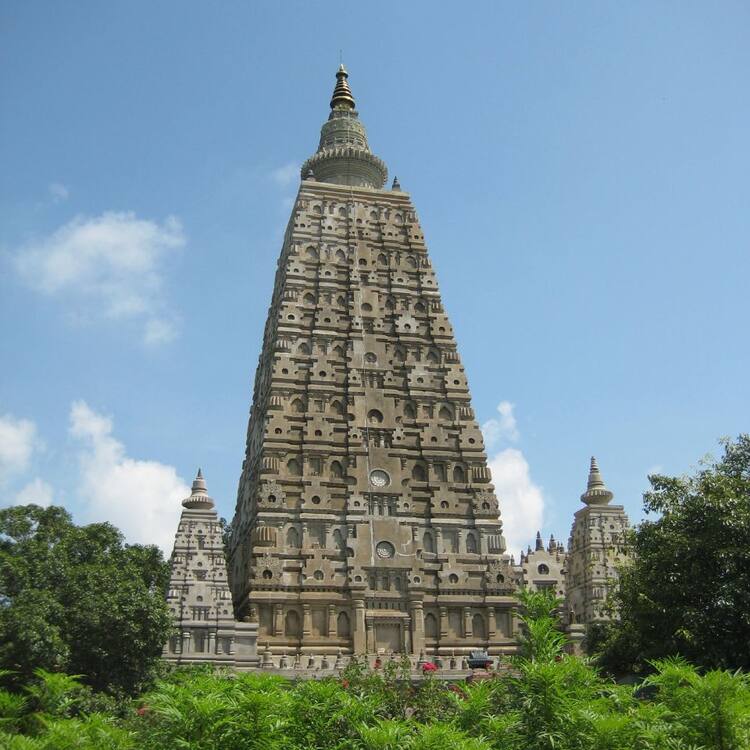
A UNESCO World Heritage Site, this ancient temple marks the spot where Buddha attained enlightenment. Built by Emperor Ashoka in the 3rd century BCE, it features intricate brickwork and a 55-meter-high central tower.
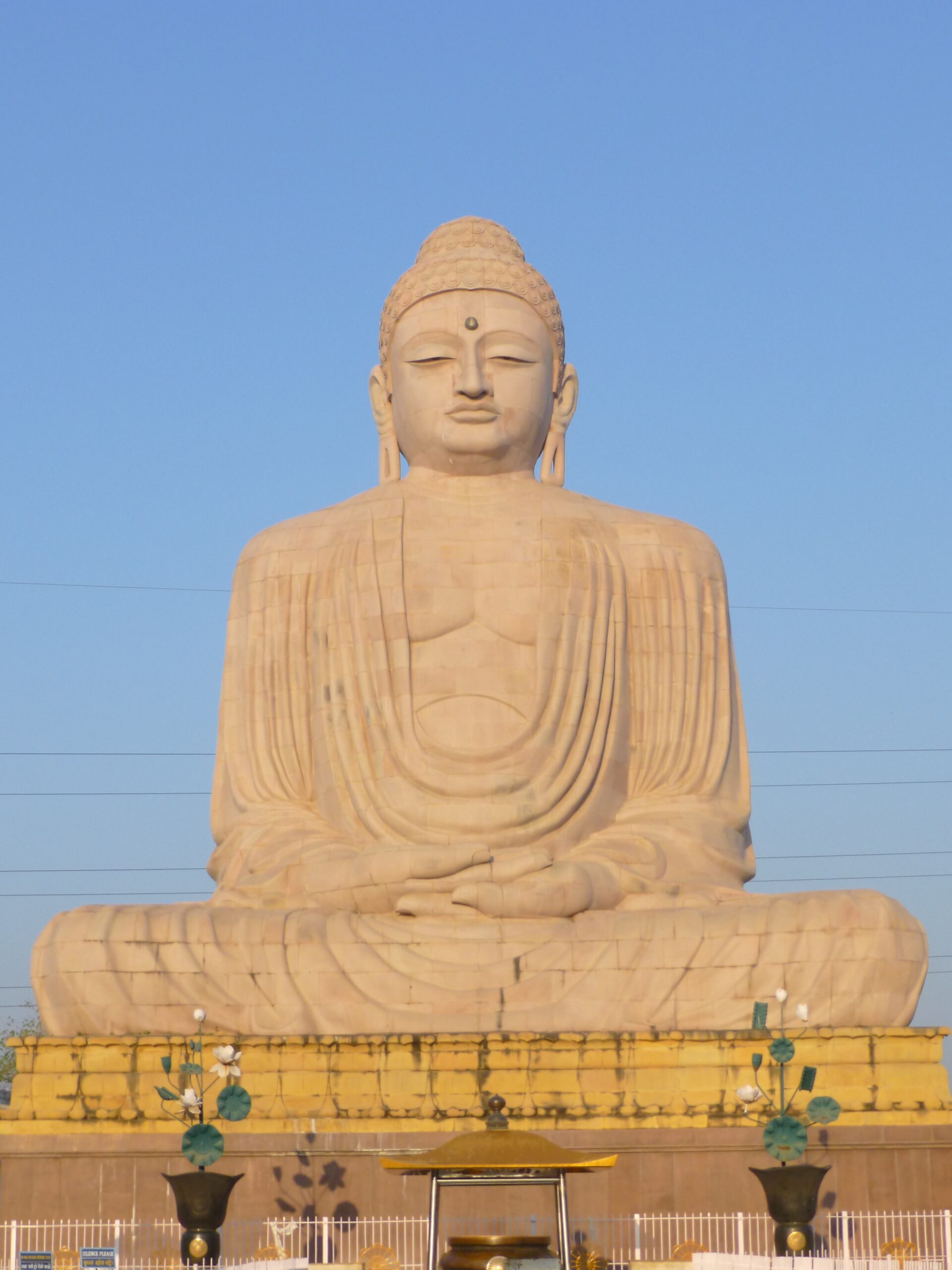
A 25-meter-tall statue of Buddha in a meditative pose on a lotus, inaugurated by the XIV Dalai Lama in 1989. Crafted from red granite and sandstone, it’s surrounded by statues of Buddha’s disciples.
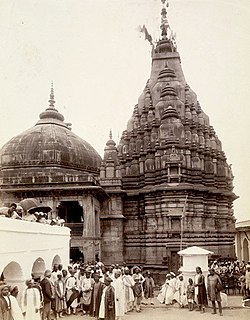
Situated in Gaya (13 km from Bodhgaya), this ancient temple is dedicated to Lord Vishnu, featuring a 40 cm footprint believed to be his. It’s a key pilgrimage site for Hindus performing pind daan rituals.
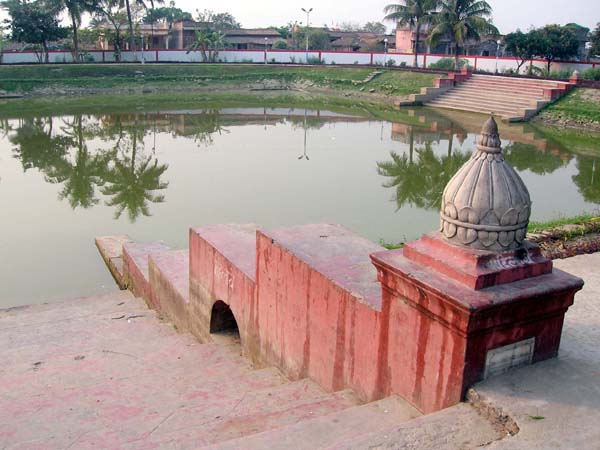
A sacred hot spring in Munger (15 km from Bodhgaya), Sita Kund is linked to the Ramayana, believed to be where Sita bathed. The site attracts devotees for its spiritual significance and serene ambiance.
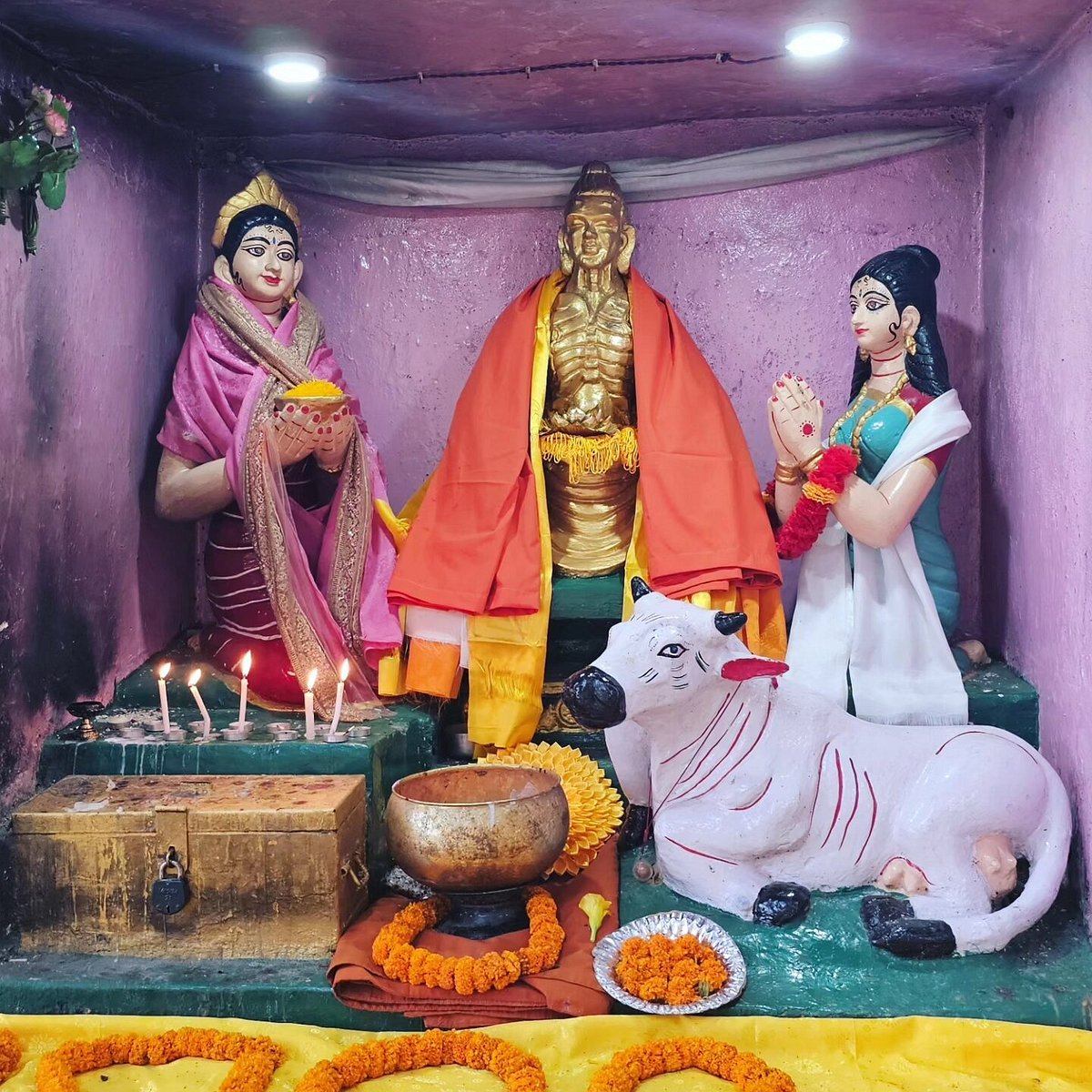
Located 2 km from Bodhgaya, this stupa commemorates Sujata, who offered rice pudding to Buddha before his enlightenment. The site, near the Phalgu River, is revered for its role in Buddhist history.
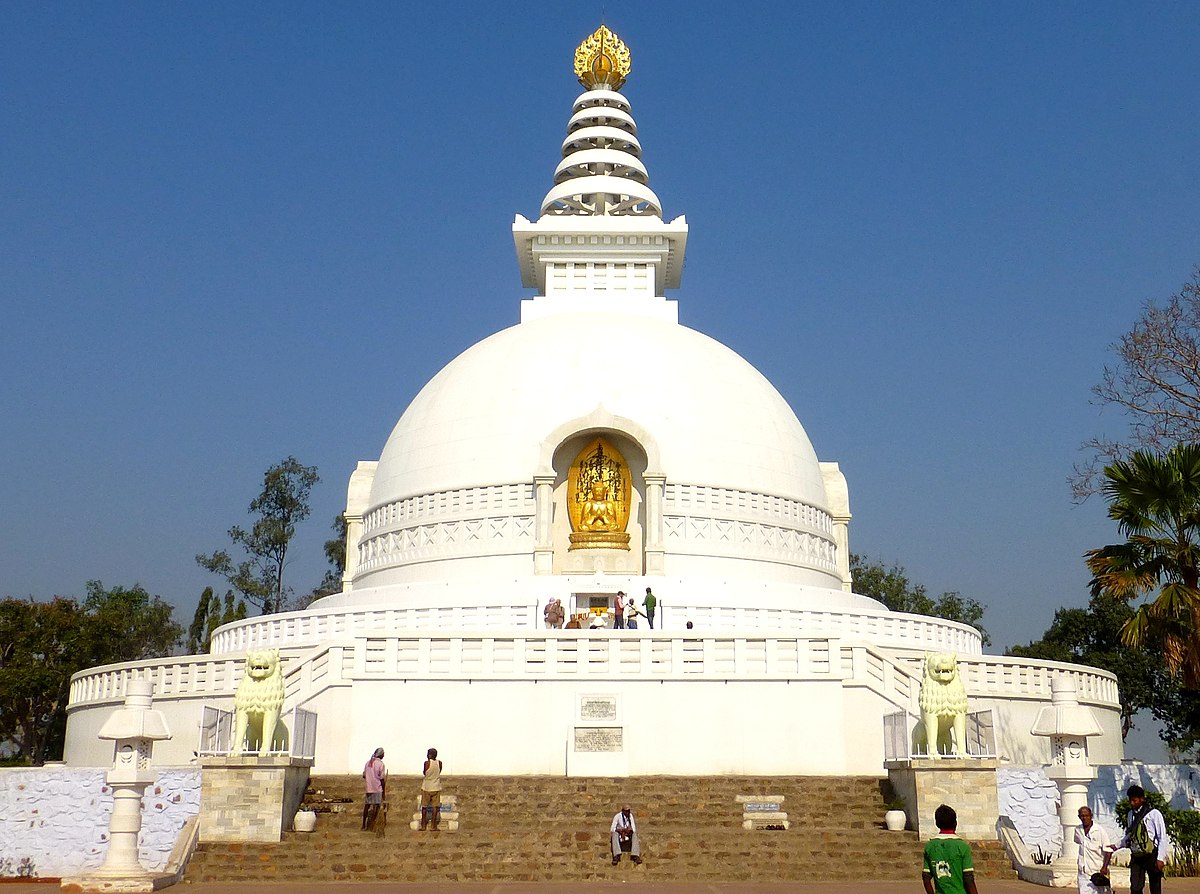
Located 70 km from Bodhgaya, Rajgir is a historic town where Buddha preached and established the Sangha. Highlights include the Vishwa Shanti Stupa, Griddhakuta Hill, and ancient cyclopean walls.